The Homeowner's Guide to Furnace Service in Kansas City, MO: Preparing Your Heating System for Winter
Scheduling a timely fall furnace service in Kansas City, MO protects your household from unexpected mid-winter heating breakdowns, reduces monthly utility expenses, and ensures your heating equipment operates safely during severe freeze cycles. Taking care of seasonal tune-ups before freezing weather arrives guarantees reliable indoor comfort when local temperatures plunge below freezing.
Key Questions Answered:
- What does a professional furnace tune-up include? A full inspection covers testing electrical connections, cleaning burners, calibrating thermostats, inspecting heat exchangers for cracks, and checking blower motor amperage.
- When is the best time to schedule heating service? Early autumn (September through October) allows technicians to identify worn components before cold snaps place continuous strain on your system.
- How does annual maintenance lower utility bills? Clean burners, clear airflow pathways, and calibrated controls allow the unit to run shorter heating cycles while delivering even warmth throughout every room.
Key Takeaways for Local Homeowners
- Pre-season heating tune-ups prevent emergency breakdowns during sub-zero cold waves across the metro area.
- Annual maintenance preserves manufacturer warranties, extends equipment lifespan, and maintains high fuel efficiency.
- Professional safety checks prevent carbon monoxide hazards and electrical failures caused by aging components.
Understanding Winter Heating Demands in the Heartland
Living in the Midwest means preparing for intense weather swings. According to regional local climate and heating data, area homes experience more than 100 days with sub-freezing temperatures each year. During peak cold fronts in January and February, residential heating systems operate under sustained workloads for hours at a time. When equipment sits idle throughout the humid summer months, dust, debris, and corrosion settle on sensitive electrical and mechanical parts.
Restarting an unserviced furnace when the first Arctic blast arrives forces worn belts, clogged burners, and dirty sensors to handle maximum stress immediately. That sudden workload is the leading cause of early season motor burnouts and tripped circuit breakers. Routine autumn care clears away accumulated contaminants and ensures every part responds smoothly as soon as you turn up your thermostat.
The Rise of Smart Heating Management and High-Efficiency Systems
Heating technology has advanced significantly over the past decade. Traditional standard-efficiency furnaces from twenty years ago often operated near 70% to 80% AFUE (Annual Fuel Utilization Efficiency), sending nearly a third of their generated heat directly out through the chimney flue. Modern high-efficiency condensing units achieve 95% to 98% AFUE, capturing nearly all usable warmth from fuel consumption.
Homeowners throughout the region are pairing high-efficiency equipment with smart programmable thermostats. These digital controls track daily occupancy patterns, adjust temperatures automatically when you leave the house, and deliver real-time diagnostic alerts if your system begins short-cycling. Integrating smart technology with regular professional care keeps operating costs predictable and shields families from high utility spikes throughout the winter season.
Preventative Heating Maintenance in Practice
Professional heating maintenance is far more comprehensive than simply swapping out a disposable air filter. A certified technician performs a detailed multi-point inspection designed to test mechanical performance, electrical integrity, and combustion safety.
Critical Inspection Checkpoints
During a comprehensive tune-up visit, your technician examines every active component inside the cabinet. Key steps include:
- Burner Cleaning and Flame Sensor Testing: Residue on flame sensors causes the furnace to ignite and immediately shut down. Cleaning burner assemblies ensures complete fuel combustion and smooth ignition.
- Blower Wheel and Motor Lubrication: Dust accumulation on blower fan blades restricts airflow, straining motor bearings and overheating internal components.
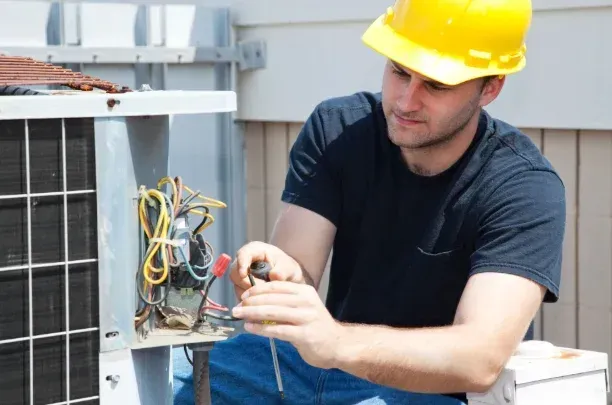
- Electrical Voltage and Amperage Verification: Technicians measure operating currents across capacitors, relays, and switches to detect weak parts before they fail completely.
- Thermostat Calibration: Calibrating temperature sensors ensures your system cycles accurately according to your real room conditions.
Airflow and Filter Management
Restricted airflow remains the primary root cause of furnace overheating and high utility bills. When air filters clog with pet dander, lint, and household dust, the blower motor must work harder to pull air through the return ducts. This added friction causes internal temperatures inside the heat exchanger to rise dangerously, often triggering high-limit safety switches that shut the system down mid-cycle. Changing standard 1-inch filters every 30 to 90 days—or inspecting 4-inch media filters twice a year—keeps air moving freely and protects internal mechanics.
Safety Controls and Heat Exchanger Testing
Combustion safety is the single most vital aspect of any gas furnace inspection. The heat exchanger separates dangerous combustion byproducts, including carbon monoxide, from the breathable air circulated through your home's ductwork. Over time, repeated thermal expansion and contraction can create hairline fractures in aging metal chambers. Professional technicians use electronic combustion analyzers and specialized cameras to inspect the heat exchanger surface, verifying that toxic fumes exit safely through the exterior exhaust flue.
Tailored Solutions for Midwestern Homes
Every home presents distinct heating demands based on architectural layout, insulation quality, and duct design. Selecting the right service strategy depends on several practical factors:
- Historic and Older Properties: Homes built before 1980 often have older duct networks and drafty wall cavities. These properties benefit from detailed duct sealing, static pressure testing, and multi-stage heating systems that distribute warm air steadily without creating hot and cold spots.
- Modern Construction: Tightly sealed newer builds require balanced fresh air ventilation and dedicated humidity control to maintain comfortable indoor air quality throughout sealed winter months.
- Zoned Multi-Level Residences: Two-story floor plans often suffer from uneven heating. Installing motorized zone dampers or supplemental ductless heating solutions helps balance comfort across upstairs bedrooms and main-floor living areas.
- Budget and Efficiency Goals: For properties requiring equipment upgrades, consulting with qualified furnace installation companies helps homeowners select properly sized equipment tailored to their square footage and budget.
Choosing a Reliable Local HVAC Company in Kansas City, MO
When selecting a contractor to service or repair your heating equipment, working with an established, family-owned provider ensures you receive honest assessments and dependable craftsmanship. Aaron's Services, LLC has served the greater Kansas City area since 2006, delivering comprehensive heating, cooling, and plumbing solutions built on integrity, clear communication, and skilled workmanship.
Our team of licensed technicians understands the specific weather challenges of the local climate. Whether you need an early-autumn system tune-up, prompt heating repair in Gladstone, MO, or expert furnace repair in Independence, MO, Aaron's Services, LLC delivers upfront recommendations tailored to your home's unique layout without high-pressure sales tactics.
Frequently Asked Questions
How often should I schedule furnace service?
You should schedule professional furnace service at least once a year, ideally in early autumn before you switch your system to heating mode. Regular annual visits keep warranties valid and catch minor wear before freezing weather arrives.
What are the warning signs that my furnace needs repair?
Common warning signs include unusual banging or squealing noises, strange burning or metallic odors, frequent cycling on and off, uneven temperatures between rooms, and unexplained increases in your monthly gas or electric bills.
How long does a standard residential furnace last?
Most modern gas furnaces last between 15 and 20 years when maintained annually. Regular filter changes, prompt repairs, and seasonal cleaning prevent early component failures and help your system reach its full operational lifespan.
Can a dirty furnace air filter cause my heating system to shut off?
Yes. A severely clogged air filter restricts airflow across the heat exchanger. This causes internal cabinet temperatures to spike, tripping the high-limit safety switch and forcing the furnace to shut down automatically to prevent fire hazards.
Prepare Your Home for Reliable Winter Warmth
Do not wait for the first winter freeze to find out if your heating system is ready for the season. Scheduling a comprehensive autumn tune-up with Aaron's Services, LLC gives you complete peace of mind, reliable warmth, and lower seasonal heating bills. Our experienced technicians provide thorough inspections, transparent guidance, and trusted care to keep your home cozy all winter long.
Recent Posts