Why Is My AC Running Constantly? Common Causes in August Heat
Your air conditioner running nonstop during peak summer isn't always normal. If your system never seems to shut off, the most common causes are a dirty air filter, low refrigerant, a thermostat set too low for the outdoor temperature, or a unit that's simply too small for your home. Some extra running time is expected when it's hot outside, but a system that never rests is working harder than it should.
Summers in the region push air conditioners to their limit. Once temperatures climb into the 90s with heavy humidity, it's normal for a healthy AC to run longer than usual. The problem starts when the system runs constantly and still can't keep the house comfortable. That's a sign something needs attention before it turns into a bigger repair or a full breakdown during the hottest part of the year.
What Counts as Normal AC Runtime in August?
A well-functioning air conditioner will run in cycles, turning on to cool the house and shutting off once it hits the target temperature. During extreme heat, those cycles get longer and closer together, and that's expected. The line gets crossed when the unit runs for hours without stopping, or doesn't shut off at all even after the house reaches the set temperature.
On a mild spring day, a properly sized system might run for 15 to 20 minutes every hour. On a 95-degree day with high humidity, that same system could run for 40 minutes or more per hour. What separates normal heavy use from a problem is whether the house actually cools down. If the thermostat says 72 degrees but the air feels barely cool, and the system keeps running anyway, that's the signal something is wrong.
A Dirty Air Filter Is Blocking Airflow
A clogged air filter is one of the most common reasons an AC runs constantly, and it's also one of the easiest problems to fix. When the filter fills up with dust, pet hair, and debris, air can't move through the system properly. The unit has to run longer to push the same amount of cool air through the house, which drives up energy use and puts extra strain on the compressor.
Homes deal with a lot of seasonal dust, pollen, and lawn debris getting pulled into HVAC systems during summer, especially when windows and doors open more often. A filter that would last two months in a drier climate might need changing every four to six weeks during peak allergy and mowing season. Most manufacturers recommend checking filters monthly and replacing them every one to three months, and a filter that looks gray or matted with buildup is overdue.
This is worth checking first since it takes less than five minutes. If changing the filter doesn't slow down the runtime, the cause is likely something deeper, which is where professional AC repair can pinpoint the exact issue.
Low Refrigerant Levels Force the System to Overwork
When refrigerant levels drop below where they should be, the air conditioner loses its ability to absorb heat efficiently, so it runs longer trying to reach the target temperature. Refrigerant doesn't get "used up" like fuel. If levels are low, it almost always means there's a leak somewhere in the line, and that leak needs to be found and sealed rather than just topped off.
A lot of homeowners don't realize that simply adding more refrigerant without fixing the leak is a temporary fix. The refrigerant will leak out again, and the system will go right back to running nonstop within weeks or months. A proper repair means locating the leak, sealing it, and then recharging the system to the correct level. Signs of low refrigerant include ice forming on the refrigerant line, warm air blowing from vents despite the system running, and a noticeable drop in cooling power.
The Thermostat Setting Doesn't Match the Outdoor Conditions
Setting a thermostat too low on an extremely hot day can make an AC run far longer than it needs to, and in some cases, the system may never fully catch up. Most residential air conditioners are designed to cool a home about 15 to 20 degrees below the outdoor temperature. If it's 98 degrees outside and the thermostat is set to 68, the system could run continuously trying to close a 30-degree gap it wasn't built to handle.
This doesn't mean accepting a warmer house during heat waves. It means matching expectations to what the equipment can realistically do. A smart or programmable thermostat can help by adjusting temperatures automatically throughout the day, cooling the house before the hottest hours hit rather than trying to catch up afterward. Setting a target of 75 to 78 degrees during peak afternoon heat, rather than pushing for 68, gives the system a more realistic job.
An Undersized or Aging System Can't Keep Pace
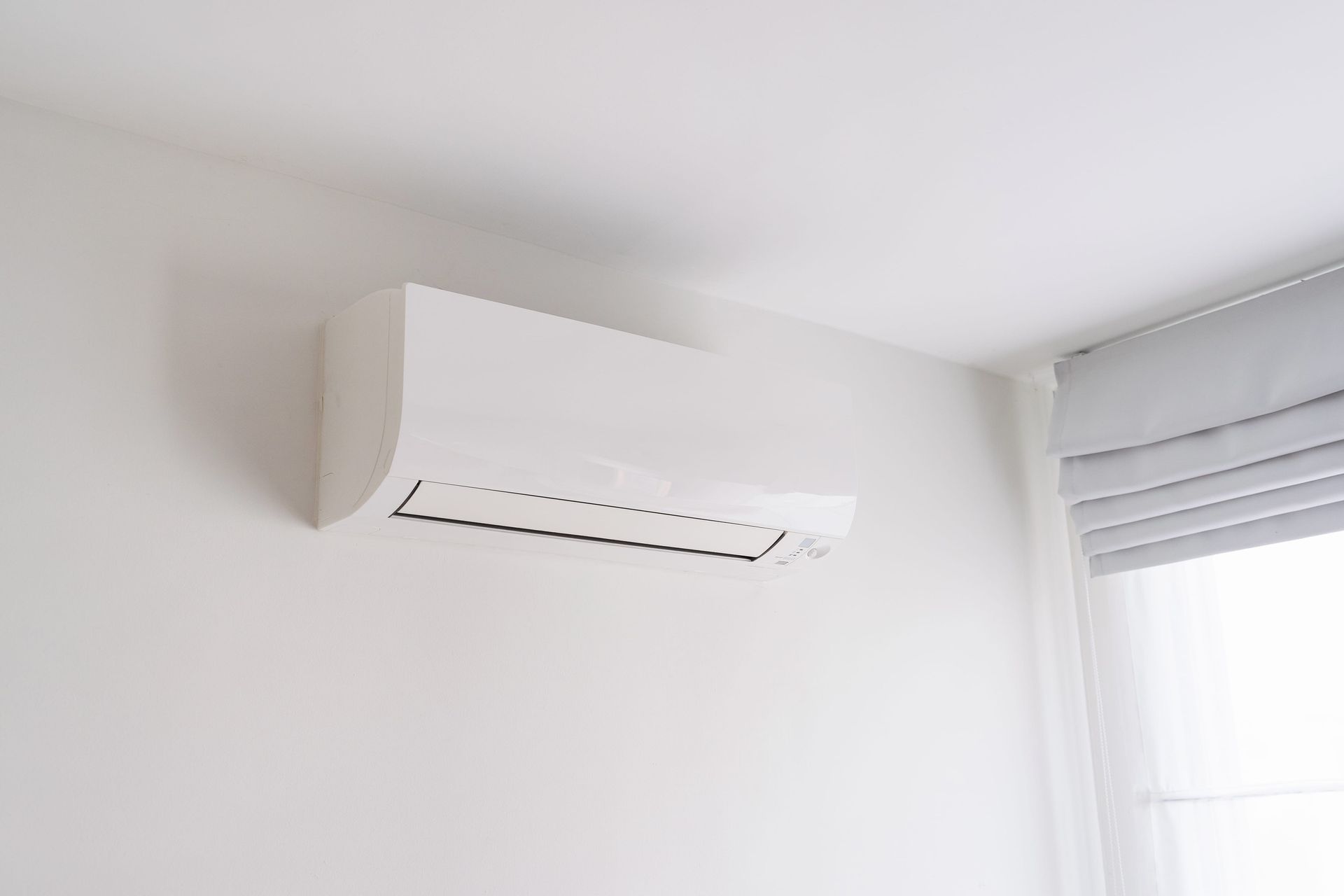
If an air conditioner was undersized for the home when it was installed, or if the unit has aged past its efficient years, it may run constantly simply because it can't produce enough cooling capacity for the space. This shows up most clearly during the hottest weeks of summer, when the gap between what the house needs and what the unit can deliver becomes obvious.
Home additions, finished basements, or converted attics are common reasons a system that once worked fine now struggles, since adding square footage without upgrading the AC unit means the same equipment has to cool a bigger space. Older units face the opposite problem: components wear down, coils get less effective, and compressors work harder to produce the same output they used to deliver with less effort.
A load calculation from a qualified technician can determine whether a home's current system is properly matched to its square footage and window exposure. If the unit is undersized or simply worn out, AC installation or replacement may end up costing less over time than running an overworked system through every summer.
Blocked or Leaky Ductwork Wastes Cooling Power
Ductwork problems are easy to overlook because they're hidden behind walls and ceilings, but leaky or blocked ducts can force an AC to run far longer than it should. When cool air escapes through gaps before it reaches the living space, the thermostat never senses the temperature it's supposed to, so the system keeps running to compensate for air that never made it to the room.
The Department of Energy has found that a typical home loses a meaningful share of the air moving through its duct system to leaks, holes, and poor connections, and older homes tend to lose even more. Ducts can also get blocked by debris, collapsed sections, or furniture and rugs covering vents. Aging insulation and worn weatherstripping around doors and windows compound the problem further, letting cool air slip out just as fast as the system produces it. An air duct cleaning and inspection can identify leaks and blockages that are quietly driving up runtime.
Dirty Condenser Coils Reduce Heat Transfer
The outdoor condenser unit needs clean coils to release the heat pulled from inside the house. When those coils get coated in dirt, grass clippings, pollen, or cottonwood seeds, which are common during Kansas City summers, the unit can't release heat efficiently and has to run longer to achieve the same cooling result.
Condenser units sitting near lawns, gardens, or trees collect debris quickly during summer, especially right after mowing or during pollen-heavy weeks. A quick visual check can reveal buildup: packed fins or debris piled around the base both point to restricted airflow. Keeping at least two feet of clearance around the outdoor unit helps, but a full professional cleaning as part of routine AC maintenance reaches the areas a homeowner typically can't.
What Happens If the Constant Running Isn't Fixed
Ignoring a system that runs nonstop doesn't just mean higher electric bills, though that's often the first thing homeowners notice. Constant operation shortens the lifespan of major components like the compressor, since parts designed to cycle on and off are instead working under continuous strain. This kind of ongoing stress often leads to a bigger, more expensive breakdown right in the middle of the hottest week of the year.
There's also a comfort cost that's easy to miss. A system straining to keep up often struggles to remove humidity properly, even while it's blowing cold air. That can leave a house feeling sticky despite the thermostat reading the "right" temperature, since humidity plays as big a role in comfort as air temperature. Addressing the root cause early tends to be far less costly than waiting for a full system failure.
Frequently Asked Questions
Is it normal for AC to run all day in extreme heat?
Some extended runtime is normal on very hot days, especially above 95 degrees. The concern is when the system runs continuously and the house still doesn't reach the set temperature, which points to an underlying issue.
How often should I change my air filter during summer?
Most homes should check filters monthly and replace them every one to three months, but homes with pets, allergies, or nearby construction may need changes as often as every four weeks during peak summer months.
Can low refrigerant cause my electric bill to go up?
Yes. Low refrigerant makes the system work much harder and run longer to produce the same amount of cooling, which directly increases electricity use even though the house may not feel any more comfortable.
Should I turn my AC off during the day to save money?
Turning the system off completely during the hottest hours usually backfires, since the AC then has to work much harder to cool the house back down later. A programmable thermostat that adjusts the temperature by a few degrees, rather than shutting off entirely, tends to save more energy without the rebound effect.
How do I know if I need a repair or a whole new system?
A repair usually makes sense for a single issue, like a refrigerant leak or a failing part, especially on a unit under ten years old. A system nearing the end of its typical 15 to 20 year lifespan, or one facing frequent repairs, is often better replaced before it fails completely.
Getting Ahead of a Constantly Running AC
An air conditioner that never shuts off is trying to tell you something, whether that's a dirty filter, a refrigerant leak, blocked ductwork, or a system that's reached the end of its useful life. Catching the cause early usually means a simpler, less expensive fix than waiting until the unit fails outright during a Kansas City heat wave.
Aaron's Services has been helping Kansas City homeowners diagnose and solve AC problems like these since 2006, with the kind of honest recommendations and dependable repairs that keep a home comfortable through the hottest months. If your system has been running nonstop this August,
scheduling a service visit can get to the root of the problem before it turns into a bigger repair bill.
Recent Posts